Wholesale Cosmetic Storage Drawers Sourcing Guide: MOQ, Custom Acrylic Options & Supplier Checklist
The global beauty retail industry is rapidly shifting toward highly visual merchandising, where cosmetic storage drawers, modular display systems, and branded acrylic fixtures directly influence conversion rates at the point of sale. This guide explores how brands and procurement teams can source high-quality makeup organizers and storage solutions, evaluate suppliers, and optimize customization strategies for retail success.
Whether you're developing a new cosmetic stand, upgrading a cosmetic storage box, or planning a full retail rollout, this article will answer critical questions like how OEM/ODM workflows differ, what MOQ expectations look like, and how to evaluate manufacturing partners. For brands exploring scalable manufacturing partners, you can also review Hiledisplay’s cosmetic display solutions as a reference for end-to-end acrylic production capabilities.
From material selection to production timelines and compliance standards such as ISO 9001 quality systems, CE certification requirements, and UL safety standards, this guide ensures you make informed sourcing decisions aligned with global retail expectations.
Understanding Wholesale Cosmetic Storage Drawers and Acrylic Display Systems
Wholesale cosmetic storage drawers and acrylic display systems are engineered to merge functionality with retail storytelling. In modern beauty retail environments, these systems are not just storage tools—they are visual merchandising assets that directly influence purchase behavior. Acrylic structures are widely preferred due to their transparency, durability, and ability to support high-end brand aesthetics without visual clutter.
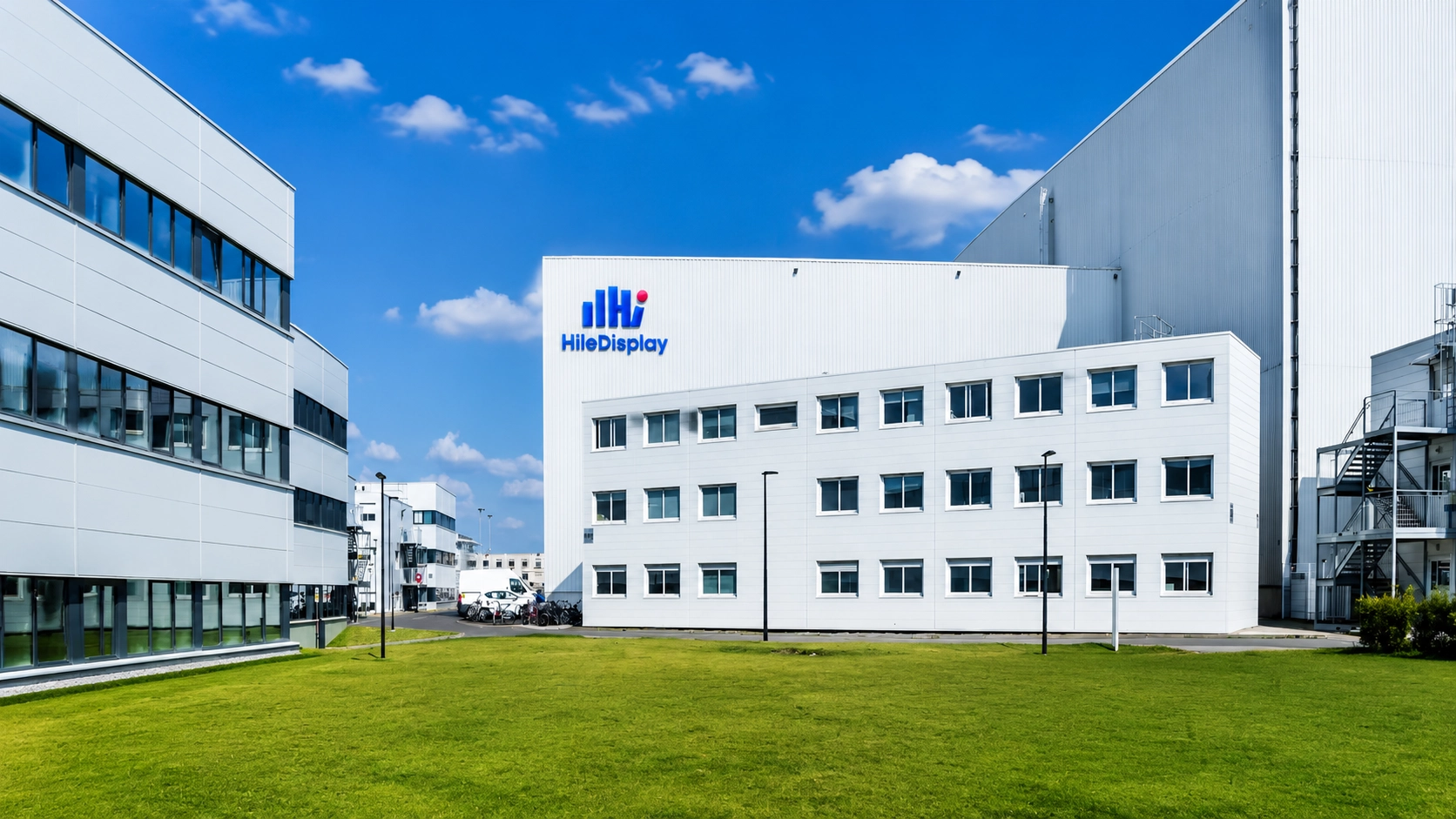
In practical applications, brands deploy these systems across lipstick towers, skincare shelving units, fragrance display stands, and modular countertop organizers. The flexibility of acrylic fabrication allows manufacturers like Hiledisplay, operating from a 12,000㎡ manufacturing facility with integrated CNC and laser cutting lines, to support both standardized and fully customized retail deployments across global markets.
| Display Type | Primary Use Case | Common Material | Retail Impact |
|---|---|---|---|
| Cosmetic Storage Drawers | Back-of-counter inventory & tester storage | PMMA / Acrylic | High operational efficiency |
| Makeup Organizers and Storage | Countertop product arrangement | Acrylic / ABS | Improved product visibility |
| Cosmetic Stand | Feature product display | Acrylic + LED | High conversion merchandising |
| Cosmetic Storage Box | Portable or modular storage | Acrylic / Mixed materials | Inventory organization |
Key Customization Capabilities in Acrylic Cosmetic Organizers and Storage Solutions
Customization is the core driver of differentiation in cosmetic display manufacturing. Advanced suppliers offer multi-layered customization options, ranging from color and logo application to structural engineering changes. In professional manufacturing environments, customization goes far beyond aesthetics—it directly affects durability, assembly efficiency, and retail compliance.
For example, Hiledisplay integrates seven core in-house processes including CNC engraving, UV printing, silk-screen printing, hot bending, and diamond polishing. With laser cutting precision up to ±0.1mm, brands can achieve highly precise structural consistency across thousands of retail units.
| Customization Element | Description | Business Benefit |
|---|---|---|
| Pantone Color Matching | Brand-aligned color replication | Stronger brand identity consistency |
| Laser-Cut Logo | Precision acrylic engraving | Premium retail presentation |
| Layer Adjustment | Structural spacing optimization | Better SKU compatibility |
| LED Integration | Lighting embedded display systems | Higher shelf visibility |
OEM vs ODM vs Private Label for Cosmetic Display Manufacturing
Understanding the difference between OEM, ODM, and Private Label models is essential when sourcing cosmetic storage drawers and display systems. Each model serves a different stage of brand maturity and internal capability.
Hiledisplay, for instance, provides all three models depending on whether a brand already has CAD files, requires concept development, or prefers fast-market entry using existing design libraries. Their ODM service includes 3–5 rounds of 3D rendering iterations and prototype delivery within 10–15 days, significantly accelerating product validation cycles.
Manufacturing Process & Lead Times for Cosmetic Display Production
The production lifecycle of acrylic cosmetic display systems typically involves multiple engineering and validation stages. A structured workflow ensures design integrity, material durability, and retail compliance before mass production begins.
In advanced manufacturing setups, such as Hiledisplay’s integrated factory system, the process begins with feasibility review (3–5 days), followed by mold development (10–15 days), prototype validation, and finally mass production with a 22-point QC inspection system ensuring consistency and defect control.
Quality Control, Certifications & Compliance in Cosmetic Display Sourcing
Quality assurance is a critical factor in selecting suppliers for cosmetic storage drawers and retail display systems. Global brands require compliance with internationally recognized standards to ensure safety, durability, and regulatory approval across multiple regions.
Leading manufacturers maintain certifications such as ISO 14001 environmental management, FSC sustainable sourcing certification, and SGS material testing verification. These certifications support retail approvals in over 50 countries and reduce compliance risks for procurement teams.
Supplier Evaluation Checklist for Cosmetic Display Manufacturers
Selecting the right supplier requires a structured evaluation framework. Beyond pricing, procurement teams should assess engineering capability, production scalability, and compliance readiness. The checklist below helps standardize supplier comparisons.
| Evaluation Criteria | Key Questions | Importance |
|---|---|---|
| Manufacturing Capacity | Can the factory handle 10,000+ unit orders? | High |
| Design Capability | Do they offer 3D rendering & prototyping? | High |
| QC System | Is there multi-stage inspection? | High |
| Compliance | Are ISO / CE / UL certifications maintained? | Critical |
| Lead Time | Can prototypes be delivered within 15 days? | Medium |
Frequently Asked Questions
How does the prototype development process for cosmetic display systems work?
The prototype development process typically starts with brand brief analysis and NDA signing, followed by iterative 3D rendering (3–5 rounds). Physical prototypes are then delivered within 10–15 days for testing, photography, or retail validation before mass production approval.
What manufacturing capabilities support large-scale cosmetic storage production?
Large-scale production is supported through integrated in-house capabilities including CNC machining, laser cutting, UV printing, and acrylic fabrication. Facilities like Hiledisplay operate with multiple production lines and a 12,000㎡ factory footprint to support scalable OEM delivery.
How is intellectual property protected in ODM cosmetic display projects?
In ODM workflows, engineering IP is transferred to the brand, and molds are owned by the client account. This ensures exclusive usage rights and prevents shared reuse across other brands, strengthening design confidentiality.
What compliance documents are available for retail approval processes?
Suppliers typically provide ISO certifications, CE/UL compliance documents, FSC sustainability reports, and SGS material testing records. These documents help brands meet retail onboarding requirements across multiple international markets.
Conclusion
Sourcing cosmetic storage drawers and acrylic display systems requires a balance of design capability, manufacturing strength, and compliance readiness. Brands that prioritize structured evaluation and supplier transparency gain a significant advantage in retail performance and operational efficiency.
If you're planning to develop scalable makeup organizers and storage solutions or custom retail displays, explore product customization options or learn more about our manufacturing capabilities to accelerate your next retail rollout.